

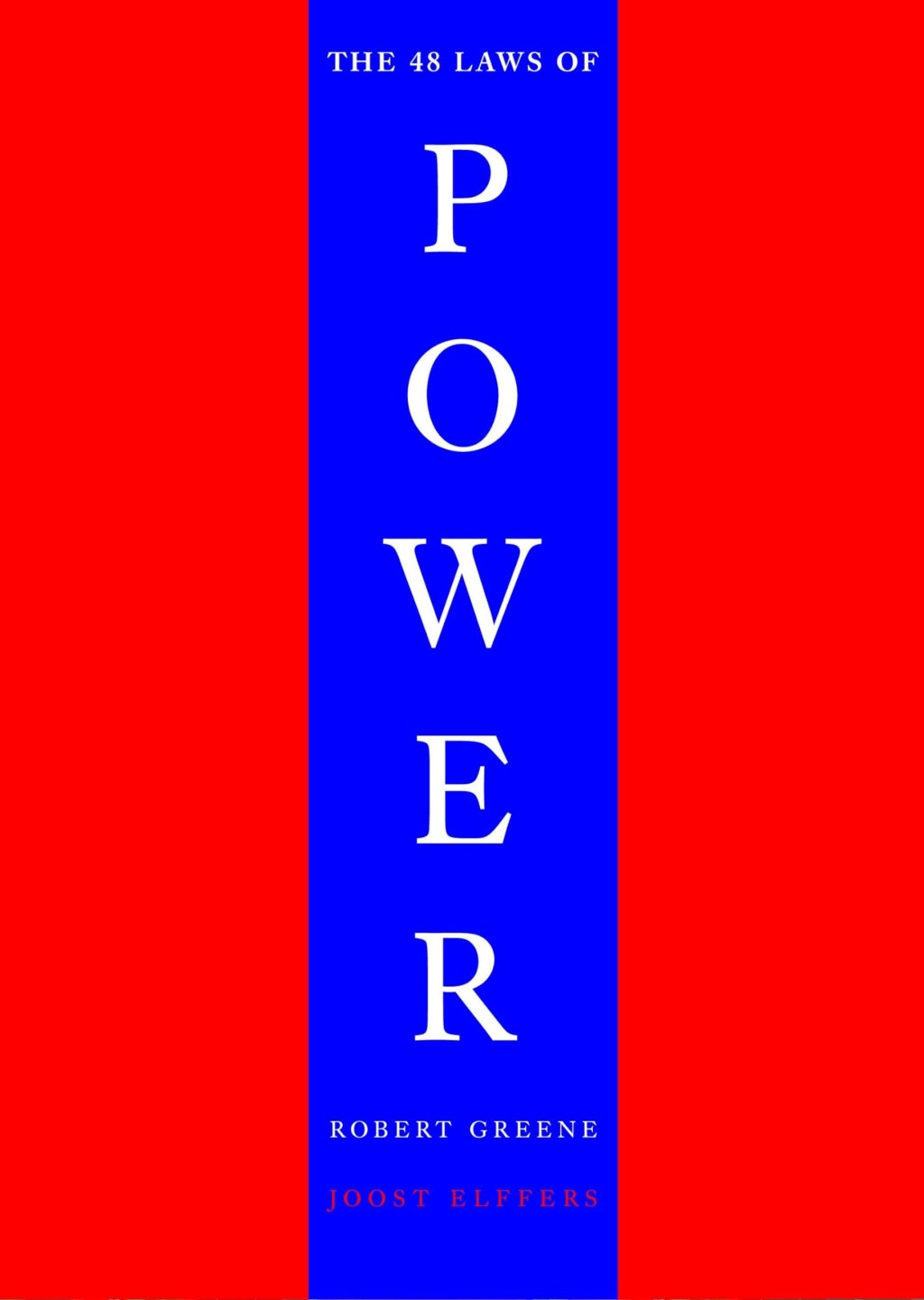
You know that moment when a book doesn’t just inform you—it fundamentally rewires how you see the world? That’s exactly what happened when I cracked open The 48 Laws of Power by Robert Greene. Fair warning: this isn’t your typical feel-good read. It’s the kind of book that makes you squirm, then thank it later.
Why I Almost Put It Down (And Why I’m Glad I Didn’t)
Let me be honest—my first reaction was to run. As someone who spent years perfecting the art of people-pleasing, the whole concept felt like stepping into enemy territory. Manipulation? Strategic thinking? Power plays? I was the person who’d rather suffer in silence than rock the boat.
But something kept me turning pages. Maybe it was curiosity. Maybe it was being tired from being who I was. Either way, I’m grateful I pushed through that initial discomfort, because this book didn’t just change how I think about power—it changed how I think about myself.
The Uncomfortable Truth About Power
Here’s what Greene gets right from page one: power dynamics exist whether we acknowledge them or not. We’re all playing the game; some of us just refuse to look at the board. His writing cuts through the fantasy that nice intentions and hard work automatically lead to fair outcomes. Sometimes they do. Often, they don’t.
What makes this book brilliant isn’t its cynicism—it’s its honesty. Greene draws from Renaissance courts, ancient empires, and modern boardrooms to show us patterns that repeat across centuries and cultures. The tactics change, but human nature? That stays remarkably consistent.
Four Laws That Fundamentally Changed My Perspective
Let me share the moments that created the biggest shifts in how I navigate the world:
Law 4: Always Say Less Than Necessary directly challenged my oversharing tendencies. As someone who used to share more than needed in conversations, learning the power of strategic silence was revolutionary. Sometimes the most compelling thing you can do is leave people wanting more.
Law 28: Enter Action with Boldness pushed directly against my people-pleasing hesitation. Instead of testing the waters endlessly, I learned that confident action—even imperfect action—often creates better outcomes than careful deliberation. Boldness has its own momentum.
Law 34: Be Royal in Your Own Fashion. Act Like a King to Be Treated Like One was perhaps the most transformative. This wasn’t about arrogance—it was about self-respect. When you carry yourself with dignity and expect to be treated well, people respond accordingly. The way you see yourself becomes the floor for how others see you.
Law 48: Assume Formlessness taught me the strategic value of keeping my plans and methods flexible and somewhat hidden. Instead of announcing every move, I learned to adapt quietly and let results speak for themselves. Predictability can be a liability.
From Manipulation Manual to Self-Defense Guide
Critics call this book Machiavellian, and they’re not wrong—it absolutely could be misused by someone with bad intentions. But that misses the real value. For people like me, who were raised to be “nice” at all costs, this book serves as essential education about how the world actually works.
Think of it this way: understanding how pickpockets operate doesn’t make you a thief—it makes you harder to rob. The same principle applies here. Recognizing power dynamics and strategic thinking helps you navigate them more effectively, whether you’re dealing with office politics, difficult relationships, or everyday social situations.
The Liberation in Awareness
What surprised me most was how empowering this knowledge became. Not in a “now I can manipulate people” way, but in a “now I can protect myself” way. I started noticing when conversations had hidden agendas. I recognized when my generosity was being exploited. Most importantly, I began showing up authentically instead of constantly trying to please everyone.
This shift didn’t make me cold or calculating—it made me more confident. When you understand the game, you can choose how to play it (or whether to play at all) from a position of strength rather than naive vulnerability.
Who Should Read This (And Who Shouldn’t)
If you’re someone who feels constantly overlooked, underestimated, or emotionally drained from giving too much, this book might offer the wake-up call you need. It’s particularly valuable for recovering people-pleasers, anyone navigating complex workplace dynamics, or people who find themselves repeatedly taken advantage of.
However, if you’re looking for comfort reading or validation of your existing worldview, look elsewhere. This book challenges you to see uncomfortable truths about human nature and social dynamics.
Final Thoughts: A Mirror and a Sword
The 48 Laws of Power won’t hold your hand or tell you what you want to hear. Instead, it offers something more valuable: clarity. It’s like getting prescription glasses for social interactions—suddenly you can see the dynamics that were always there but previously blurred.
You don’t need to implement every law or become a master strategist. But understanding these patterns means you’ll never walk into a situation completely blind again. In a world where power games happen whether we participate consciously or not, that awareness alone is incredibly valuable.
This book gave me permission to stop apologizing for taking up space and start showing up as someone who deserves respect. That transformation alone was worth the discomfort of reading it.
Get the book:

Leave a comment