

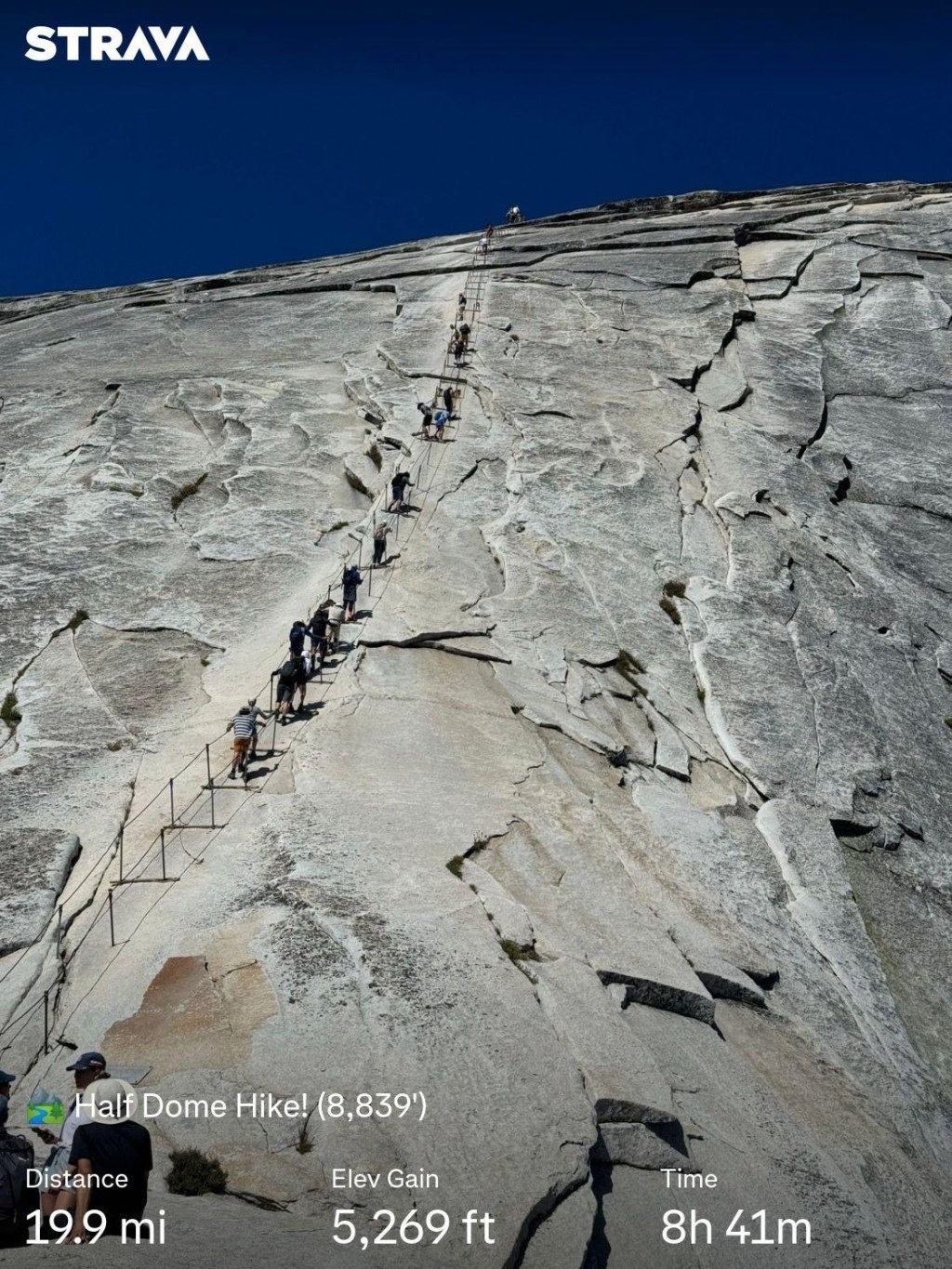
Sometimes the best adventures come from the most unexpected invitations. Back in March, my sister Liz casually mentioned that her friend Srinivas had some vacant spots for a June Half Dome hike. At the time, I was deep in training for my first marathon in July, consistently tackling hilly trail runs around the Bay Area. The timing seemed perfect—I was already building the endurance and leg strength, so I excitedly signed up without fully grasping what I was getting myself into.
I was so grateful for the opportunity that I helped Srinivas fill the remaining spots by reaching out to friends who might be up for the challenge. What started as a casual conversation with my sister turned into one of the most transformative experiences of my hiking life.
The Night Before: Different Approaches
Part of our group, myself included, arrived the afternoon before and stayed at Cedar Lodge in El Portal, about 30 minutes from the trailhead. We figured a good night’s sleep would be crucial for tackling one of the most demanding hikes in California. Some others in the group—experienced hikers who had done Half Dome before—chose to drive down from the Bay Area the morning of the hike and head back the same day to save on accommodation costs.
While this approach worked for the veterans in our group, I’d strongly recommend that first-timers stay overnight. The Half Dome hike is incredibly demanding, and starting well-rested gives you the best chance for a safe and enjoyable experience. The peace of mind from a good night’s sleep is worth the extra cost, especially when you’re facing those cables later in the day.
The Beast Awakens
At 1:30 AM, we gathered in the darkness of Curry Village parking lot, headlamps cutting through the pre-dawn silence. Starting this early felt almost surreal—the world was still asleep while we were about to embark on one of the most challenging hikes in the country. The cool mountain air was crisp and refreshing, a stark contrast to what we’d face later in the day.
The trail started deceptively easy in those early hours. We walked through shaded forests by headlamp light, our footsteps creating a steady rhythm on the granite steps. As dawn broke, the forest came alive with the kind of cheerful bird songs that would soon feel like mockery as our legs began to burn. What seemed manageable in the cool morning air gradually revealed its true nature as the sun climbed higher and the incline grew steeper.
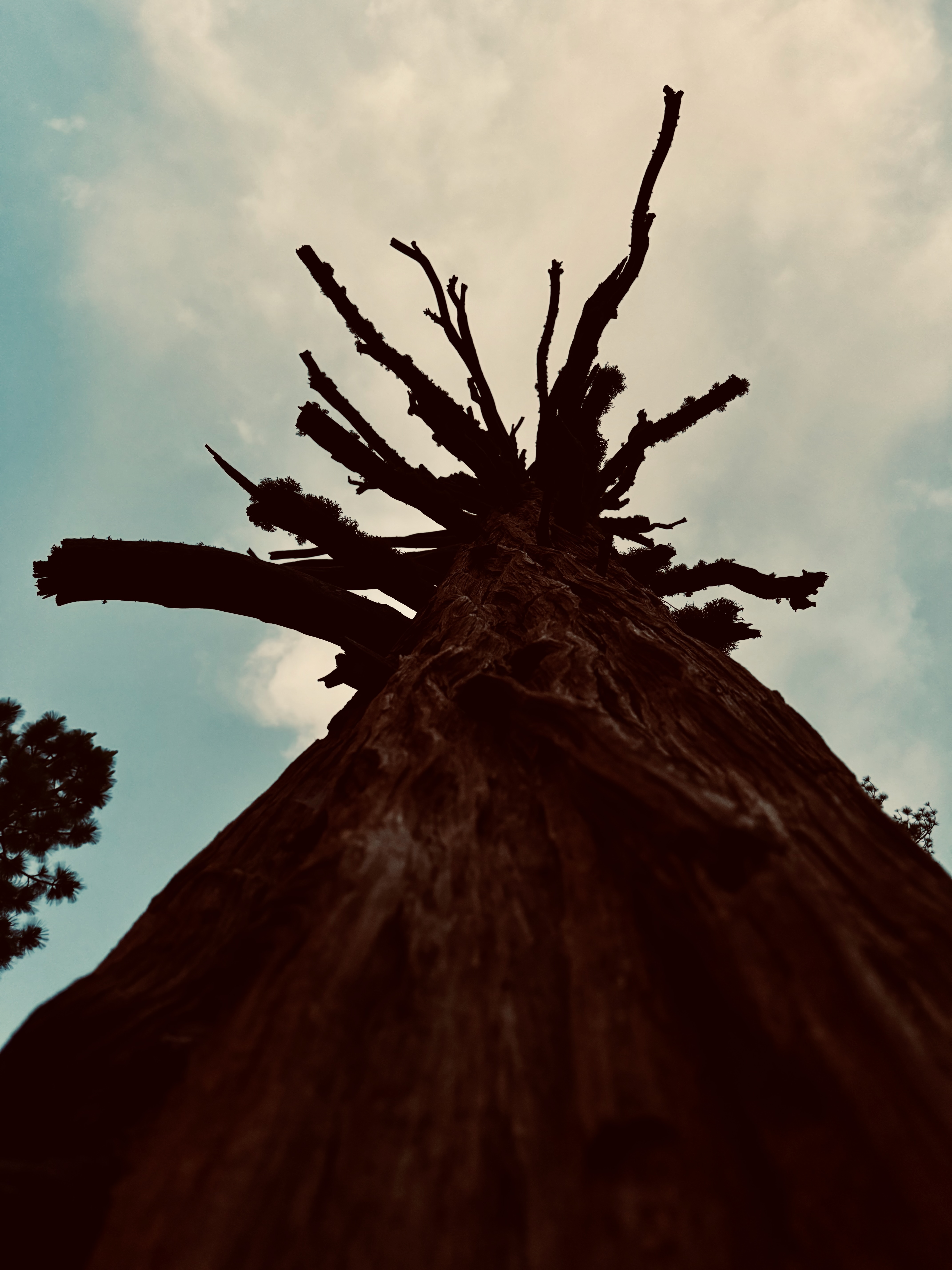
Tree roots became ankle traps waiting to catch the unwary. Switchbacks zigzagged endlessly upward, each turn promising relief that never quite came. Somewhere between heavy breathing and muttered complaints, I found myself staring up at a dead tree clawing at the sky—gnarled and reaching, much like how I felt at that moment.
Views Worth the Pain
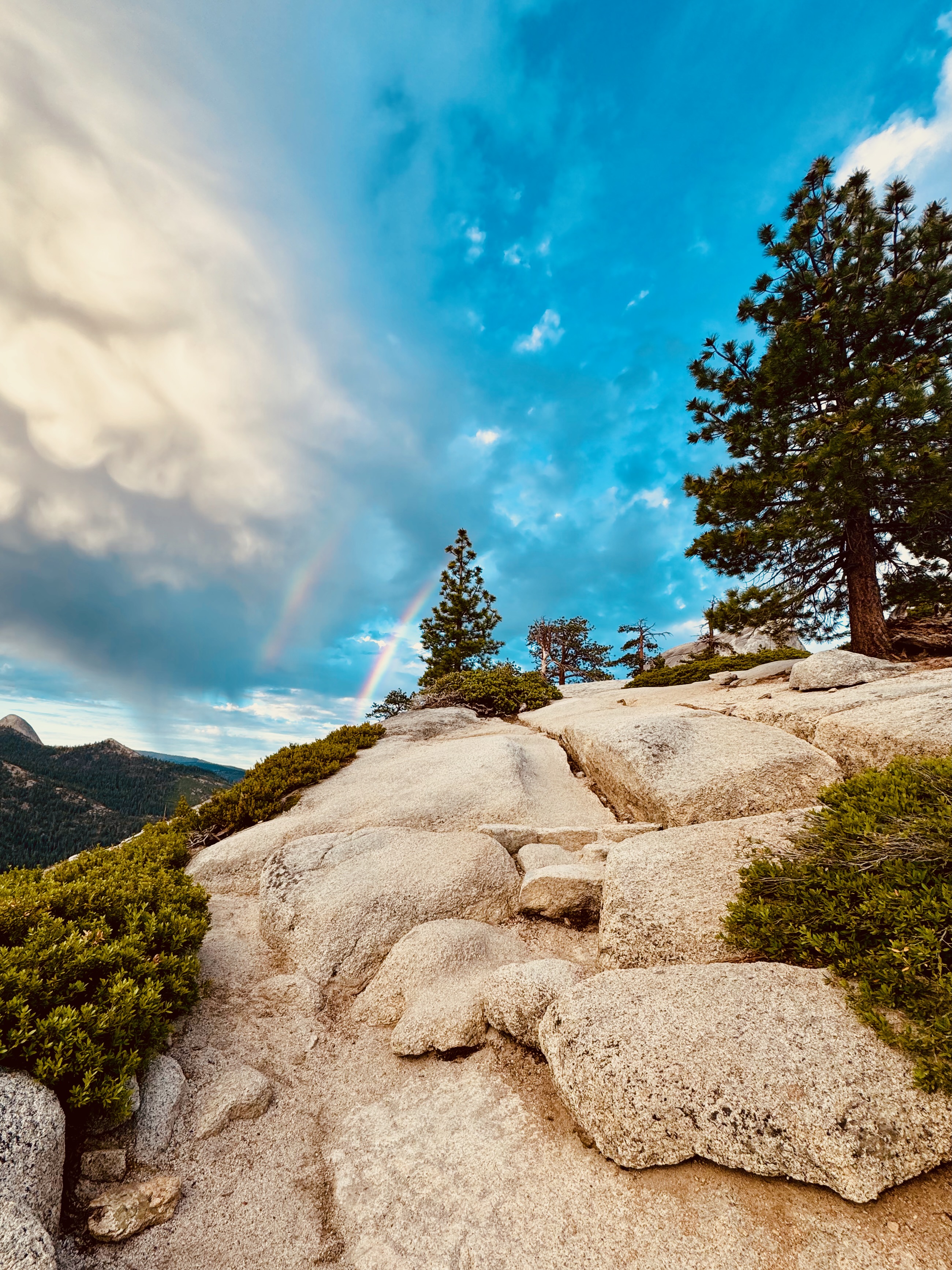
As we climbed higher, the trees thinned and the world opened up around us. Exposed granite and twisted roots became both our pathway and our obstacle course. After a light drizzle, a soft rainbow appeared—nature’s way of saying “you’ve got this” when our bodies were saying quite the opposite.
These moments of beauty became crucial psychological fuel. Every time my legs screamed for mercy, another stunning vista would appear, reminding me why we put ourselves through this voluntary suffering.
The Cables: Where Heroes Are Made
Near the subdome, the trail transformed from steep to nearly vertical. The infamous cables loomed ahead, looking exactly as intimidating as every photo and story had warned. My legs trembled, my hands gripped nervously, and my brain helpfully suggested reconsidering every life choice that had led to this moment.
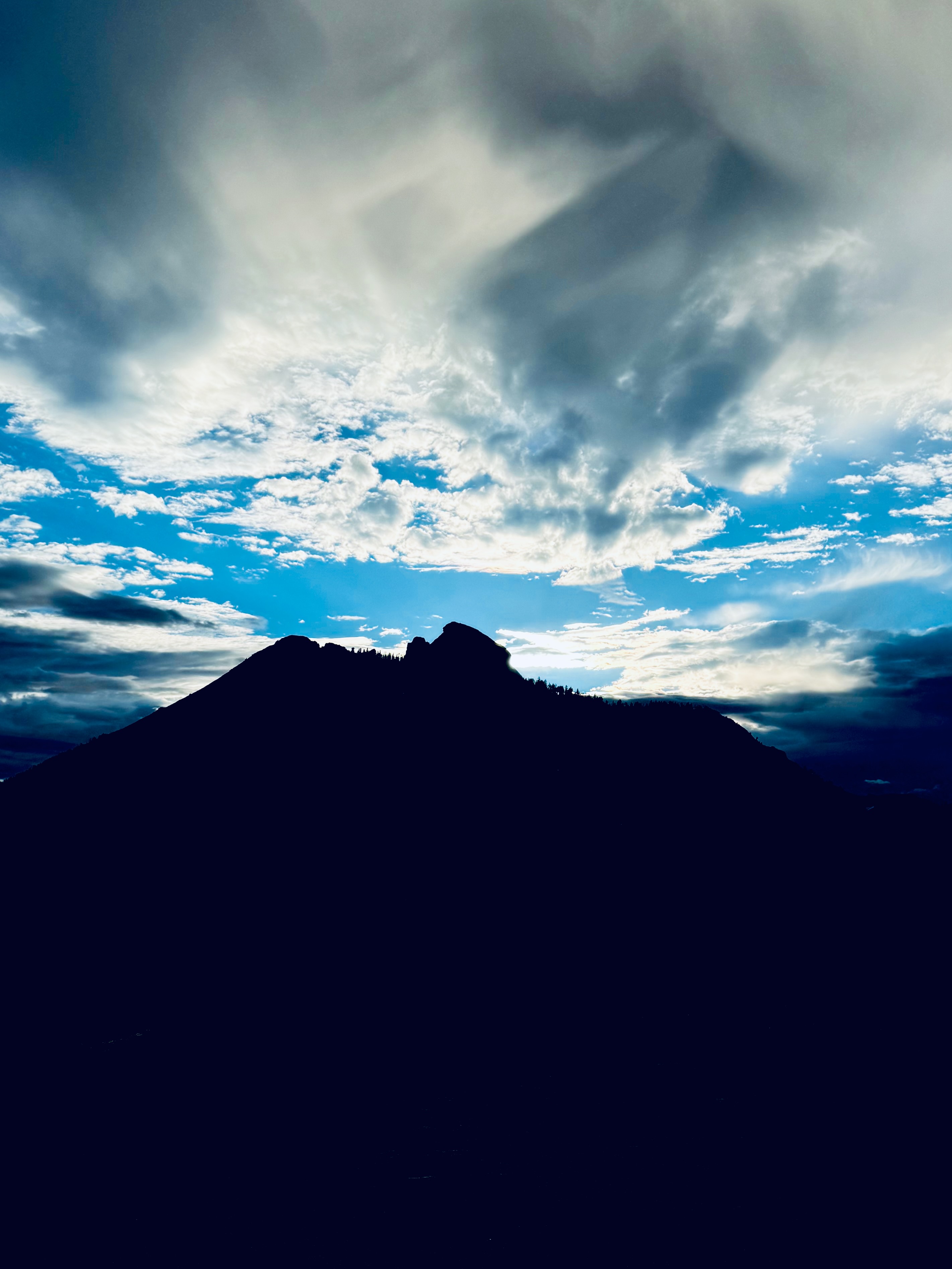
But step by shaking step, we climbed. The cables demand respect—they’re not a theme park ride but a serious test of strength, courage, and determination.

Summit Serenity
The summit was surreal in its peacefulness. After hours of grunting, sweating, and internal negotiations with my tired body, I found myself standing on top of the world. Arms spread wide, I gulped down sky, wind, and pure awe. The valley below looked like an impressionist painting—beautiful, messy, and impossibly perfect.
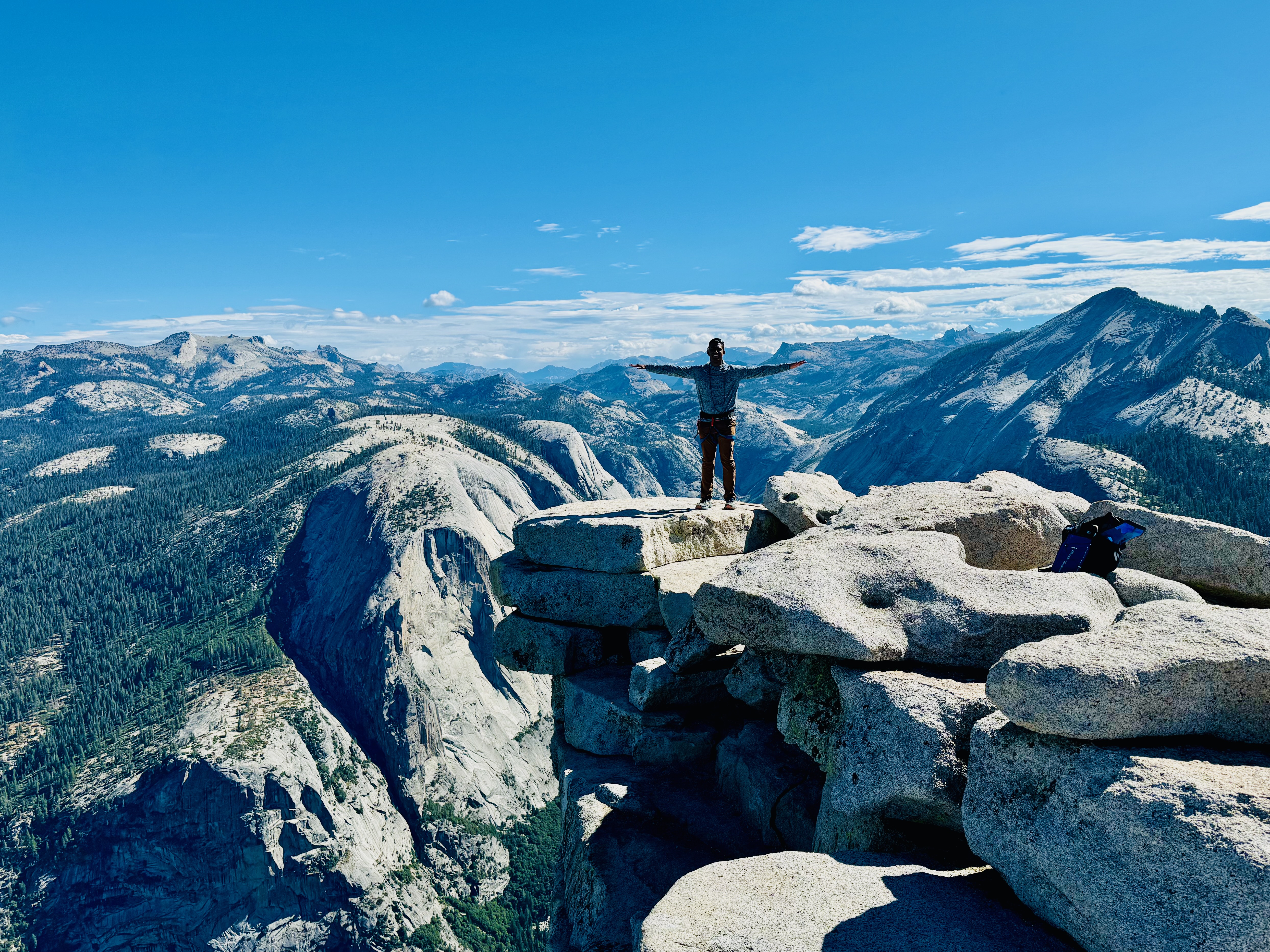
That moment of triumph makes every painful step worth it. You stand there changed, knowing you’ve accomplished something most people only dream about.
The Journey Down (And an Unexpected Encounter)
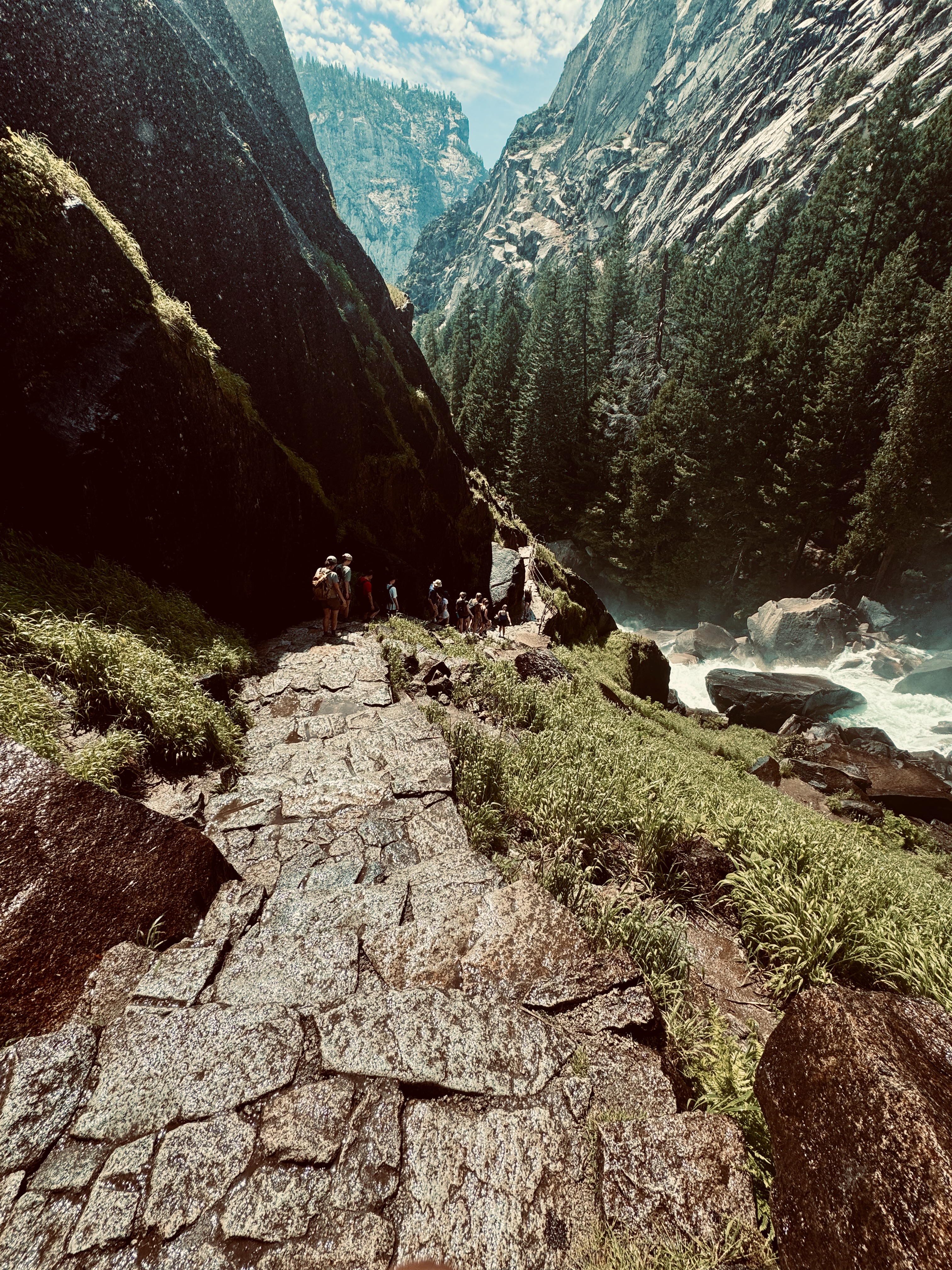
The descent proved no easier than the ascent. Knees buckled with each downward step, and energy levels dropped like a phone battery on its last bar. As if Half Dome wanted to throw in one final challenge, a rattlesnake crossed our path on the way down—nature’s reminder that the mountain demands respect until the very end.
Hard-Won Wisdom
This hike taught me lessons that extend far beyond the trail. Here’s what every future Half Dome hiker should know:
Gear that matters: Carry gloves that actually fit. Slippery cables and oversized gloves create a dangerous combination. A climbing harness isn’t mandatory, but it provides invaluable peace of mind. I carried one and never regretted the extra weight.
Photography strategy: Plan ahead for photos, especially with larger groups. Since our group was quite large, we split into two smaller groups—one climbed the cables while the other waited at the base. This worked perfectly for getting action shots of each other on the cables. A GoPro with a head-mounted clip is ideal for this situation. I wouldn’t recommend taking your phone out while on the cables—you need both hands free and full focus on safety.
Sun and skin protection: The exposure at elevation is brutal. Sunscreen isn’t optional—it’s survival gear. I learned this the hard way when my face paid the price for underestimating the mountain sun.
Timing is everything: Start as early as possible. Reaching the cable base by 10 AM gives you the best chance to beat both crowds and heat. The earlier start also means better lighting for photos and a more peaceful experience overall.
Water strategy: My 3-liter CamelBak wasn’t enough. Bring a lightweight water filter—I refilled at the gorge on the return trip, and it was a lifesaver. Plan for more water than you think you need.
Mental preparation: Fear at the cable base is completely normal. When that wave of anxiety hits, sit with it. Breathe deeply. The views from the base are incredible—use them to gather courage and perspective.
Smart packing: Pack light but intelligently. Trekking poles help tremendously, especially on the descent—choose ones that fold and stow easily. Energy bars become power pellets when your body is burning fuel faster than expected.
The return journey: Don’t rush the descent. Consider taking the Mist Trail on the way back—it’s both beautiful and refreshingly cool after hours in the sun.
More Than Just a Hike
Half Dome isn’t just a physical challenge—it’s a pilgrimage that changes you. You don’t return the same person who started that morning. You leave part of yourself on that granite summit and bring back something quieter, bolder, and more grounded.
What I’ll remember most isn’t the cable portion, which honestly feels like a blur now. It’s the journey itself—the togetherness of our group as we walked and talked our way up the mountain. Those conversations (specially with Gaurang and Srinivas) and shared moments of struggle and triumph are what truly stick with you.
The enormity of what we accomplished didn’t fully hit me until sometime later. During the hike, I stayed focused on taking one step at a time, remaining present in each moment, confronting fears as they surfaced, trusting my instincts, and pushing myself to keep moving forward. These turned out to be valuable life lessons that extend far beyond any trail—applicable to any of life’s significant challenges.
Would I do it again? Absolutely. I’m pretty sure the next time will be completely different.
If you’re considering Half Dome, don’t overthink it. Train well, prepare thoroughly, and trust in your ability to push through when the mountain tests your resolve. The granite doesn’t care about your fears—it only responds to your determination.
Essential Gear That Made the Difference
- Climbing harness and carabiner: Peace of mind is worth the extra weight
- Water filter: Compact and reliable for crucial mid-hike refills
- Trekking poles: Lightweight and foldable—absolute lifesavers on descents
- Proper gloves: Durable with excellent grip (size down rather than up)


Leave a reply to Talia Cancel reply